Equipment donations
Your surplus is somebody's front line.
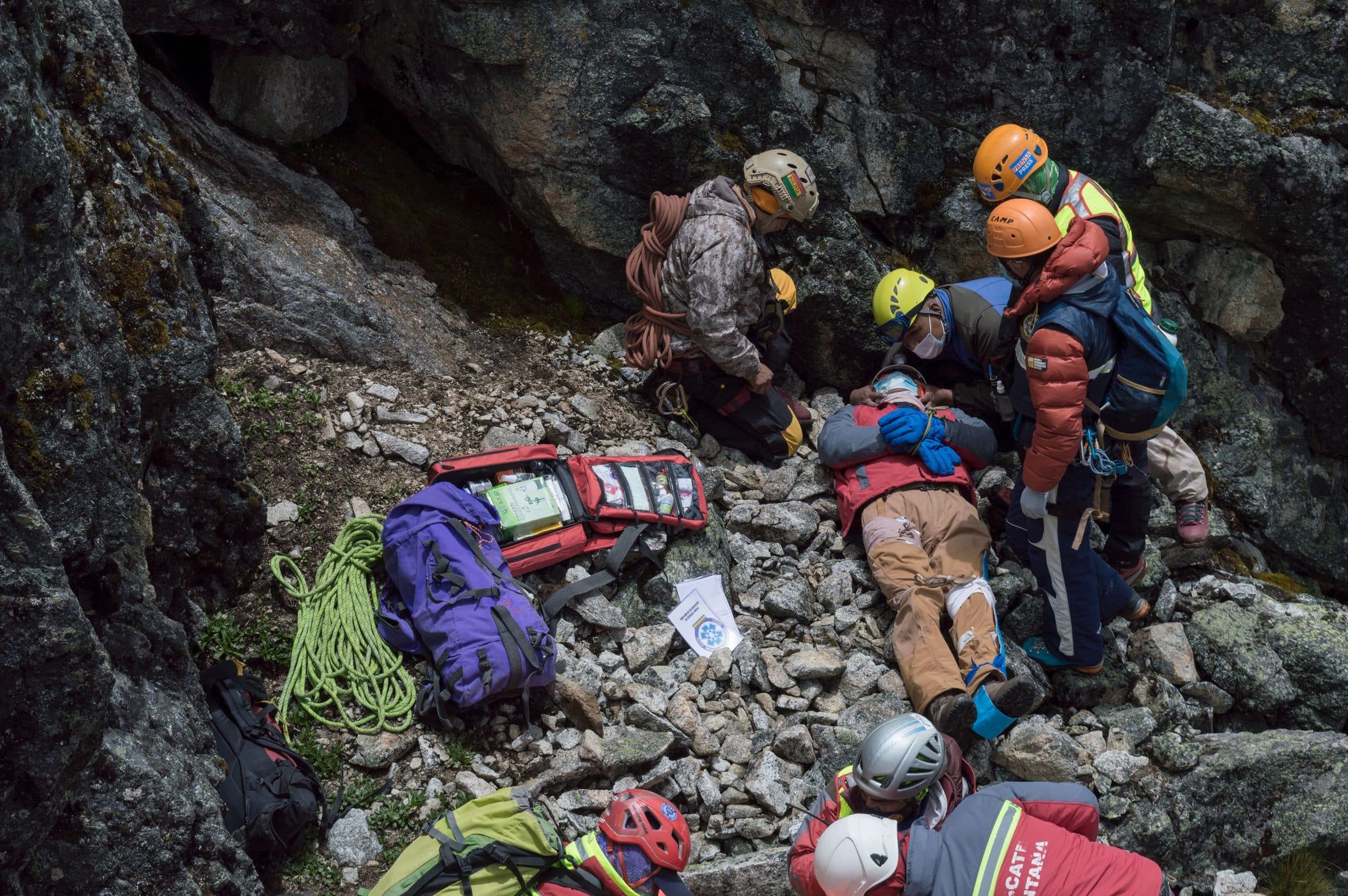
The engine you are about to auction. The monitors coming off your replacement cycle. The turnout gear that no longer meets spec. IERF places retired apparatus, ambulances, cardiac monitors, defibrillators and medical equipment with departments in Florida and Panama that have none of it.
For departments, fleet managers and biomed
Sometimes something old is something new.
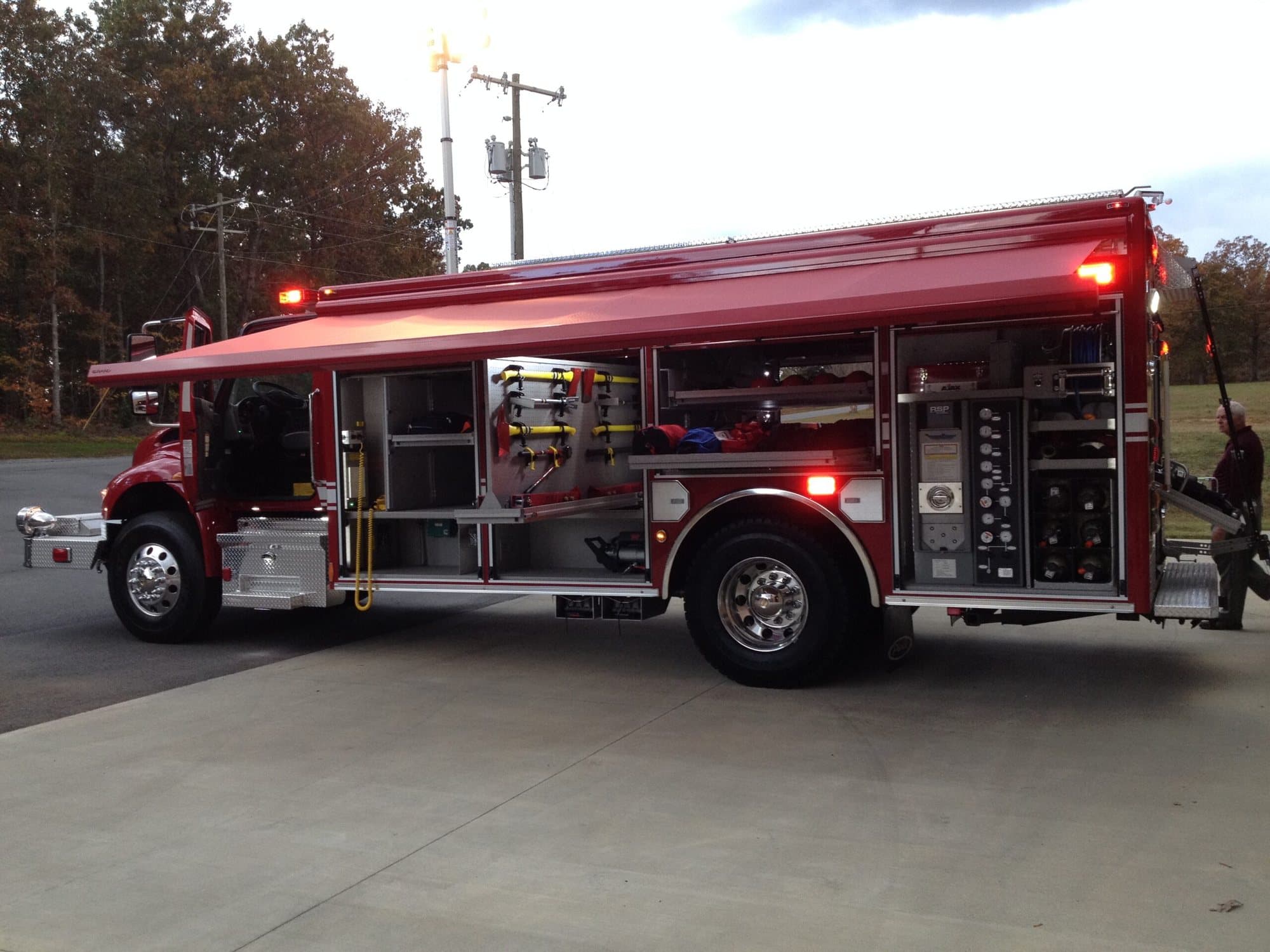
What has reached the end of its front-line life in your fleet is very often first-line somewhere else. A twenty-year-old engine. An ambulance with 180,000 miles on it. Cardiac monitors coming off a replacement cycle while they still hold a charge and pass a functional check. Turnout gear rotated out on age, not on damage.
We place it with volunteer and rural services across Florida, and with stations in Panama where that same unit is a genuine upgrade on what is in the bay today. Tell us what you have and we will tell you honestly whether we can use it.
What we can place
The big-ticket items first, and everything that goes on them.
Apparatus and vehicles
- Engines, ladders and tankers
- Brush trucks and wildland units
- Type I, II and III ambulances
- Rescue, squad and command units
- Rescue boats, trailers, ATVs and UTVs
Cardiac and monitoring
- 12-lead cardiac monitors and defibrillators
- AEDs, and AED trainers
- Pulse oximetry and capnography
- Suction units and ventilators
Medical and EMS
- Medic, trauma and airway bags
- Stretchers, stair chairs and backboards
- Splinting and immobilisation
- Oxygen cylinders and regulators
Fire and rescue
- Turnout gear and structural PPE
- SCBA, masks and spare cylinders
- Hydraulic and battery extrication tools
- Portable pumps, hose and ground ladders
- Thermal imaging cameras
Communications
- Portable and mobile radios
- Repeaters, chargers and batteries
- Station alerting and dispatch equipment
Training equipment
- CPR, airway and trauma manikins
- Tourniquet and bleeding-control trainers
- Simulation gear and moulage
- Classroom AV and projectors
It does not have to be pretty. It does have to be honestly described — mileage, pump hours, what is wrong with it, what has been deferred. We would rather hear about the problem now than discover it after a department has planned around the unit.
Medical devices get checked. Monitors and defibrillators are functionally tested before they are placed, and we do not move expired, recalled or unserviceable devices onto a truck. Nobody is helped by equipment that fails on the first call.
How it works
Four steps, and we do the difficult ones.
Surplus disposal is usually somebody’s least favourite job. The reason units end up at auction is rarely that the chief wanted the money — it is that donating one looked like more paperwork. It is not.
Tell us what is coming out of service
Year, make, chassis, mileage or pump hours, and its condition. For devices: manufacturer, model, and when it last passed a functional check. Photos help. A line about how it has been maintained helps more.
We tell you honestly whether we can place it
If we have a department that needs it, we say so and name them. If we do not, we say that too, rather than take it off your hands and let it sit in a yard.
Title, transport and customs
We coordinate the title transfer, the pickup, and — for Panama placements — the export documentation and customs clearance. You are not left managing the logistics or the freight forwarder.
Your receipt, and where it went
IERF is a registered nonprofit, so donated equipment and vehicles are tax-deductible in the United States. We send the acknowledgement for your records, and we tell you which department is running it.
Or give money
Donated gear is free.
Moving it is not.
Freight, customs, refurbishment and the consumables that get used up and never replaced — that is where cash goes, and it is what decides whether a donated unit reaches a station or sits in a yard. Every gift below is a specific thing arriving in a specific place.
$25
Puts a tourniquet in a kit
One tourniquet, in a bag that gets carried on real calls. The cheapest thing on this list and the one most likely to be the difference.
Give $25$50
Supplies a skills station
The consumables a class works through in a day — gauze, pressure dressings and trainer tourniquets, used until they wear out.
Give $50$75
Trains one person
Puts a neighbour, parent or teacher through first aid and CPR, certification included. They keep that skill for life.
Give $75$100
Places a bleeding control kit
Tourniquets, dressings and gloves in a marked kit, left where people actually gather — a school, a church, a community hall.
Give $100$1,000
Outfits a responder
The bag one responder carries every shift: trauma kit, airway, tourniquets and the consumables that get used up and never replaced.
Give $1,000$20 a month
Recurring gifts are what let us commit to a class before the money is in the bank. Roughly a trained neighbour every four months.
Give monthly →Any amount works — these are starting points, not a menu. Gifts to IERF are tax-deductible in the United States.
Where your donation goes
Two programs, funded entirely by donors.
Department Support Program
Strengthening the frontline heroes who protect our communities every day.
- Emergency vehicle donations
- Fire trucks, ambulances, ATVs and rescue boats for departments in need.
- Firefighting and rescue equipment
- Turnout gear, extrication tools, portable pumps and technical rescue gear.
- Medical response kits
- Trauma bags, oxygen equipment and first responder supplies.
- Communications and alert systems
- Radios, satellite phones and dispatch equipment to improve coordination.
- Training equipment and resources
- Manikins, simulation tools and classroom materials.
- Station support and infrastructure
- Backup generators, PPE storage and operational support tools.
Training Workshops Program
Empowering individuals, families and responders with lifesaving knowledge and skills.
- Basic First Aid and CPR workshops
- Teaching lifesaving skills to respond to medical emergencies confidently.
- Stop the Bleed and trauma care training
- Critical bleeding control for the minutes that decide an outcome.
- Disability emergency preparedness
- Planning built around the people most at risk when systems fail.
- Neighborhood responder training
- Building capability inside the communities that need it most.
Other ways to give
Some of these cost you less than a cash gift.
Corporate and dealer partnership
Apparatus dealers with trade-ins on the lot, distributors with demo stock, hospital systems cycling devices out of service. If surplus passes through your hands, we can take it off them and document it properly.
Start a conversationEmployer matching
Thousands of employers match charitable gifts dollar for dollar, and most staff never check. Ask your HR team. It can double your donation for nothing.
Send us your match formDonor-advised fund
If you give through a DAF at Fidelity, Schwab, Vanguard or a community foundation, you can recommend a grant to IERF using our EIN.
Request our DAF detailsAppreciated stock
Giving shares you have held over a year can avoid capital gains tax while deducting the full market value — often a larger gift at a lower cost to you.
Ask about stock giftsIn honour or in memory
Give in someone's name: a colleague who served, a family member, an instructor. We will send an acknowledgement to whoever you nominate.
Make a tribute giftWills and legacy giving
A bequest costs nothing during your lifetime and is the single largest gift most people ever make. We can give your attorney the exact wording.
Discuss a bequestIERF is a 501(c)(3) nonprofit, EIN 33-4658339. We are not able to give tax advice. Please speak to your own adviser about how any of these apply to your circumstances.
Transparency
Your trust matters, and so does your support.
IERF is committed to transparency, accountability and responsible stewardship of donor support. Our Candid Gold Seal of Transparency reflects our dedication to openness and trust with the communities we serve.
 Gold Transparency 2025Click for our profile
- Legal status
- 501(c)(3) nonprofit · EIN 33-4658339
- Deductibility
- Donations of cash, equipment and vehicles are tax-deductible in the United States
- Governance
- IERF's board members serve as volunteers.
Make a difference
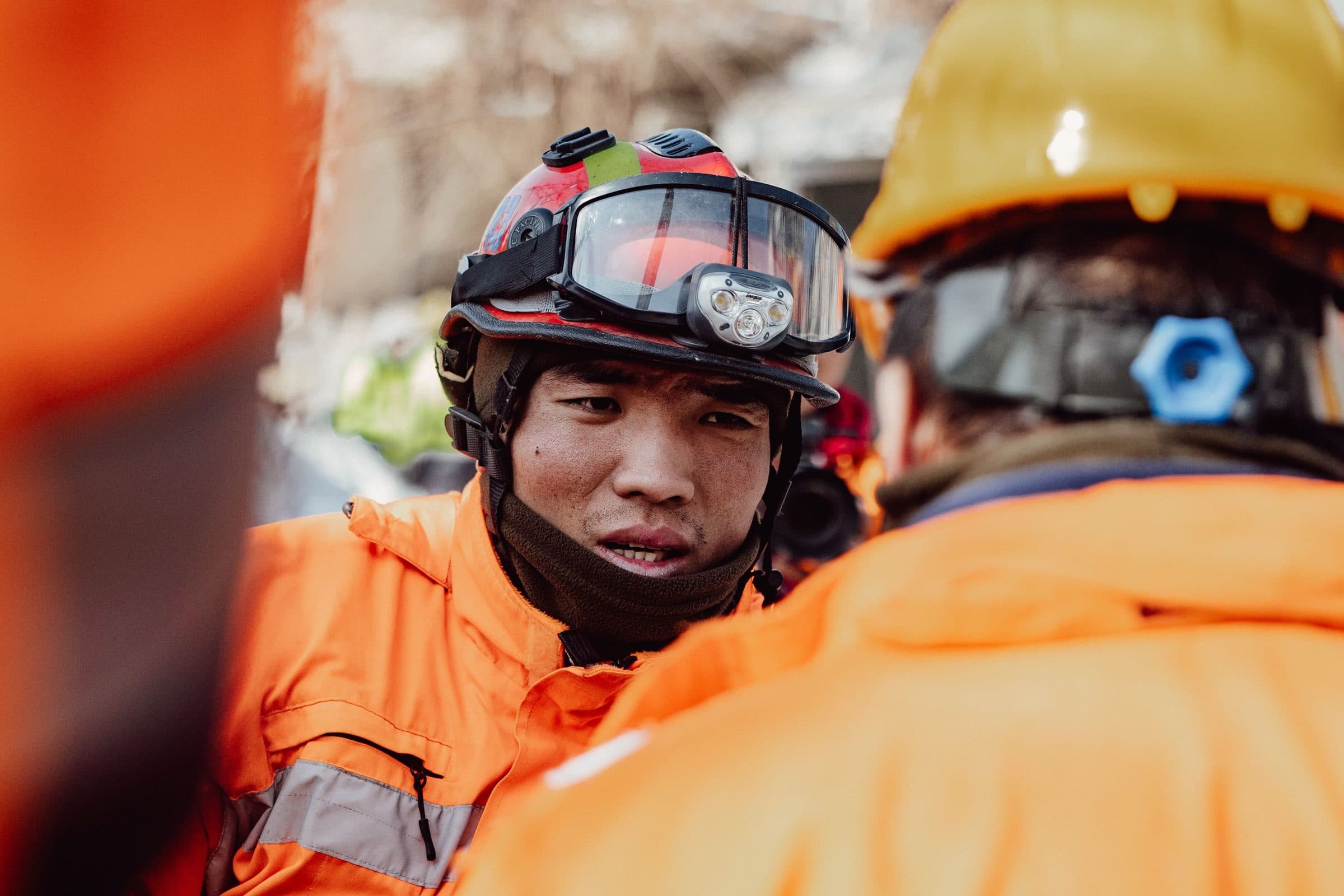
The first 72 hours belong to whoever is already there.
Give them something to work with.